
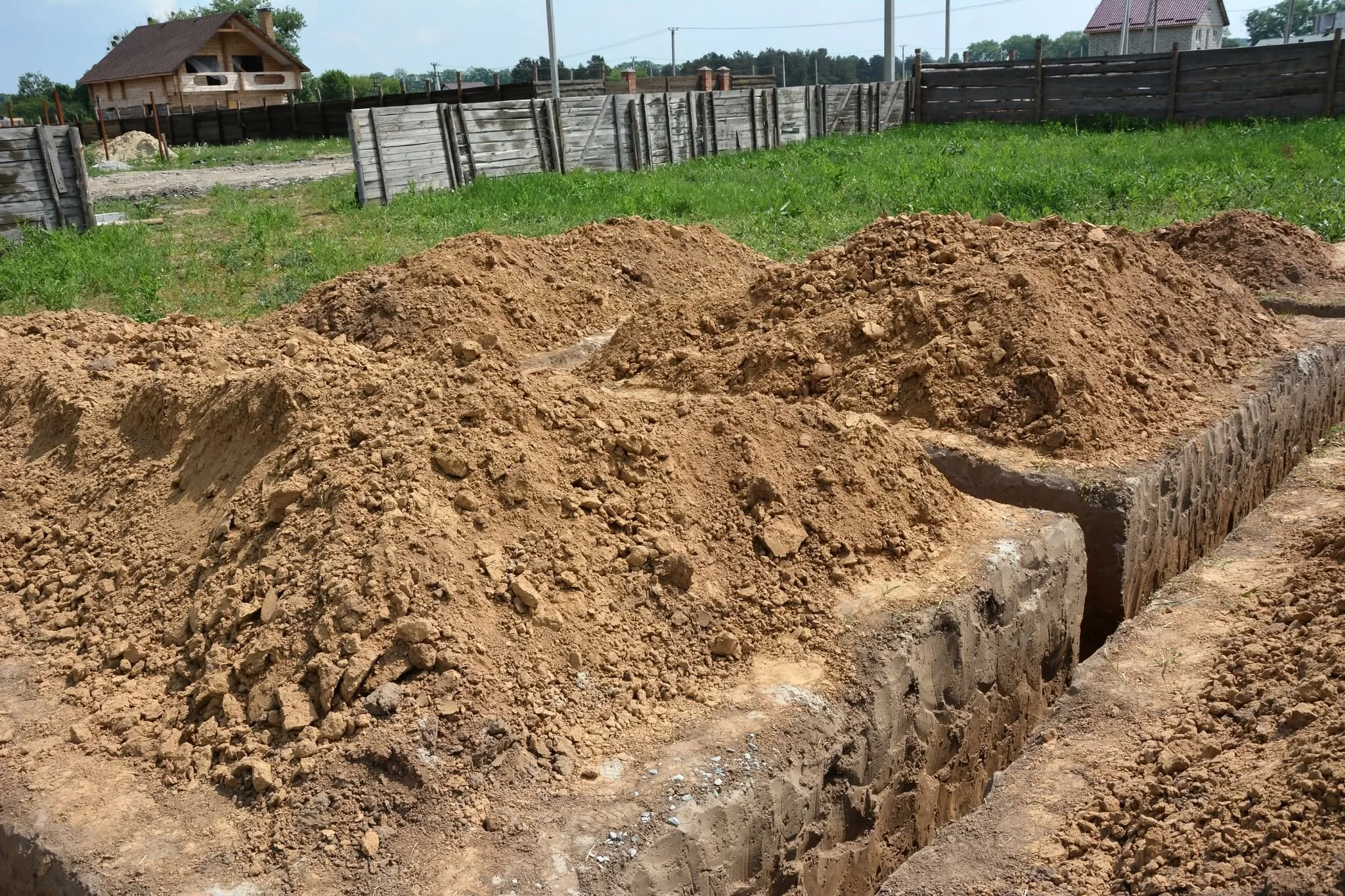
Former airport land — fill, compaction, and variable ground history – The Essendon Fields commercial precinct was developed on land that served as airport infrastructure — runways, taxiways, hangars, fuel storage, and support facilities — for over 50 years before residential and commercial conversion. Development on former aviation land involves engineered fill, compacted subgrade from decades of aircraft loading, and in some areas ground conditions that reflect the industrial history of the site rather than the natural soil profile. Commercial and industrial buildings in the precinct built on this ground may be dealing with settlement or floor movement that traces back to fill behaviour rather than natural soil conditions — a specific diagnostic consideration that doesn’t apply in surrounding residential suburbs.
Western Melbourne clay — different from the sandy south-east – The broader Essendon Fields area sits within the western Melbourne clay belt, consisting of moderately reactive clay that swells and shrinks seasonally. This is the same broad clay belt that affects Moonee Ponds, Essendon proper, and the inner west generally. For the residential stock on the precinct’s edges, seasonal clay movement is the dominant driver of foundation problems, producing the cracking and differential settlement patterns common across western Melbourne’s clay suburbs.
Commercial and retail floor slabs — a specific structural proposition – The large retail and commercial floor slabs across Essendon Fields’ shopping and business precincts are a different foundation repair proposition from residential footings. Slab settlement under high-traffic retail floors, loading dock subsidence, cracking in commercial tilt-panel construction, and floor levelness issues in warehouse and industrial spaces all require commercial-scale diagnosis and repair capability. These aren’t jobs suited to residential underpinning contractors working above their experience level.
Post-war residential stock on the precinct edges – The residential homes that exist in and around Essendon Fields — developed from the 1950s for the aviation industry workforce — are now 60 to 70 years old. Brick veneer on strip footing construction from this era, on western Melbourne clay, is showing the same foundation movement and cracking patterns that are common across Melbourne’s post-war outer suburbs. Perimeter footing settlement and seasonal clay-related cracking are the typical presenting issues.
For commercial and retail properties:
For residential properties:
Commercial Underpinning – For retail, office, and industrial properties in the Essendon Fields precinct experiencing floor settlement or structural foundation movement.
Industrial Floor Slab Repair – Addressing slab settlement, cracking, and levelness issues in warehouse and industrial spaces.
Residential Underpinning – For the post-war homes on the precinct’s edges dealing with strip footing settlement in western Melbourne clay conditions.
Screw Piling – Where load transfer below the active clay layer is required for either commercial or residential structures.
Pre-Purchase and Pre-Lease Foundation Assessment – For buyers or tenants of commercial properties in the precinct, or residential buyers in the surrounding area.
Crack Assessment and Repair – Across both commercial and residential structures.