
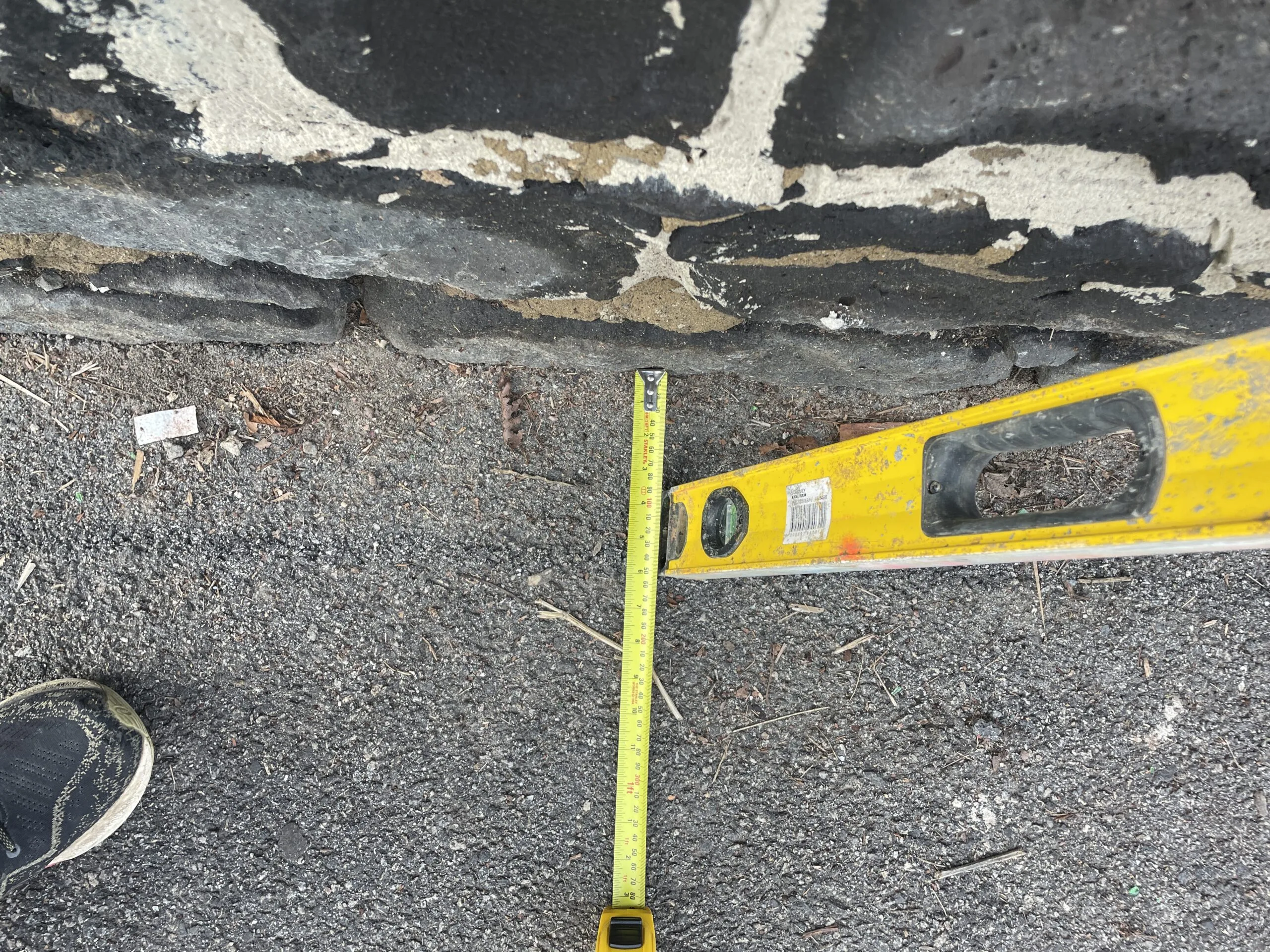
Reactive Soil and Foundation Movement — Melbourne is home to some of the most reactive soils in Australia. During wet periods, these soils absorb moisture and expand, while in dry conditions they shrink as moisture levels reduce. This ongoing cycle of expansion and contraction causes movement beneath building foundations, which can lead to structural stress and visible cracking in walls and other parts of a building.
Poorly Maintained or Sunken Stumps — Older homes supported by timber stumps often experience foundation movement as stumps deteriorate, settle, lean, or rot over time. Because individual stumps can move at different rates, the structure above may twist or settle unevenly, placing additional stress on walls and resulting in cracking.
Leaking Pipes & Inadequate Drainage — Water escaping from damaged pipes or accumulating around foundations due to poor drainage can erode supporting soil beneath footings. This loss of support can cause settlement and differential movement within the structure, leading to wall cracks and other signs of foundation movement.
Nearby Excavation or Construction — Construction activities and excavation work on neighbouring properties can disturb surrounding ground conditions and affect nearby foundations. In some cases, this can trigger or accelerate foundation movement and result in new or worsening cracks.
Natural Settlement — All buildings experience some degree of settlement, particularly during the early years after construction. Minor hairline cracks caused by normal settlement are generally cosmetic rather than structural. Determining whether cracking is a result of natural settlement or a more significant foundation issue requires professional assessment and experience.
Cracks Stretching Diagonally from the Corners of Doors and Windows — When a building’s foundation shifts or settles, stress often concentrates around door and window openings, which are naturally weaker points within a wall. This stress commonly results in diagonal cracks extending from the corners of doors and windows and is one of the most reliable indicators of foundation movement.
Stair-Step Cracking Through Brickwork — Stair-step cracks that follow mortar joints in brickwork are typically associated with differential settlement, where different sections of the foundation move unevenly. This type of cracking can indicate significant foundation movement and should be professionally assessed.
Horizontal Cracks — Horizontal cracks in rendered or brick walls may indicate lateral pressure from soil, groundwater, or structural forces acting against the wall. These cracks can sometimes be associated with more serious structural issues and should be inspected by an experienced professional.
Vertical Cracks — Vertical cracks may develop due to normal building settlement, thermal expansion and contraction, or structural loading conditions. While minor vertical cracks are often less concerning than diagonal cracks, they should still be assessed to determine their cause and significance.
Hairline Cracks — Fine hairline cracks in plaster or render are common in older buildings and are often caused by normal thermal movement or the natural ageing and curing of construction materials. Although these cracks are usually cosmetic, increasing width, length, or frequency may indicate a developing issue that warrants investigation.
Wide or Growing Cracks — Cracks wider than approximately 5mm, or any crack that is visibly increasing in size over time, should be treated as a priority. These cracks often indicate active movement within the structure or foundation and should be evaluated promptly by a qualified professional.
Step 1 – Inspection and Diagnosis
We begin by conducting a detailed inspection of your property and assessing the cracks within the building. Factors such as the location, direction, width, length, and pattern of each crack are examined, along with any signs of ongoing movement. Our goal is to identify the underlying cause of the cracking by thoroughly assessing the condition of the foundations and surrounding site conditions.
Step 2 – Foundation Repair
In most cases, wall cracking is the result of foundation movement. Once the cause has been identified, we carry out the appropriate foundation repair solution, which may include underpinning, reblocking, restumping, or other specialised repair methods depending on the findings of the inspection. Addressing the foundation issue first ensures that the underlying cause of the cracking is resolved rather than simply repairing the visible symptoms.
Step 3 – Repairing the Cracks
Once the foundation has been stabilised and any ongoing movement has been addressed, repairs can be carried out to the damaged areas of the building. The repair method will depend on the type, location, and severity of the cracking. This may include repointing cracked brickwork, repairing damaged render or plaster finishes, or undertaking more substantial structural repairs where significant damage has occurred.
Step 4 – Preventative Improvements
Following the repairs, we provide advice on measures that can help reduce the risk of future cracking and foundation movement. This may include improving site drainage, managing nearby trees and vegetation, maintaining gutters and downpipes, and monitoring the property for any signs of ongoing movement or structural change.
Foundation movement is often first identified through cracking inside the home. Internal plaster and render are generally less flexible than the masonry and structural elements behind them, meaning they tend to show signs of movement earlier than external surfaces. As a result, internal cracking frequently appears before any visible cracking develops on the exterior of the building.
Common locations for cracking on internal walls include:
Hairline cracks that are isolated, stable, and not increasing in size are often considered cosmetic in nature. However, diagonal cracks, wide cracks, growing cracks, or cracking that appears in multiple locations throughout a property can indicate active foundation movement and should be professionally assessed.
External wall cracks are often more visible and more alarming than internal ones — and rightly so, because external masonry is load-bearing and damage to it has direct structural implications.
Stair-step cracking through brickwork mortar joints, diagonal cracking from window and door corners, and horizontal cracking through rendered external walls are all signs that should be assessed professionally rather than patched and ignored. External cracks also allow water to penetrate the wall structure, which can accelerate deterioration and create additional problems over time.
When we repair cracks in heritage and older homes in Melbourne, we treat the homes with the same level of detail and professionalism as we do other projects associated with heritage. Where possible, we match the types of materials used and methods employed to the original construction. Additionally, before any surface repairs are performed, we ensure that the underlying foundation issues have been appropriately repaired. This ensures that the work we perform will last and that the building’s character is maintained.
Commercial or industrial property wall cracks are not only a visual issue. They may lead to compliance issues, safety issues for workers and visitors, and may indicate the possibility of future issues with the foundation if not corrected.
We perform crack audits and repairs for commercial and industrial buildings across Melbourne, all beginning with a proper investigation of the underlying cause. Engineering certification will be issued by us for all structural repairs made to commercial properties.