
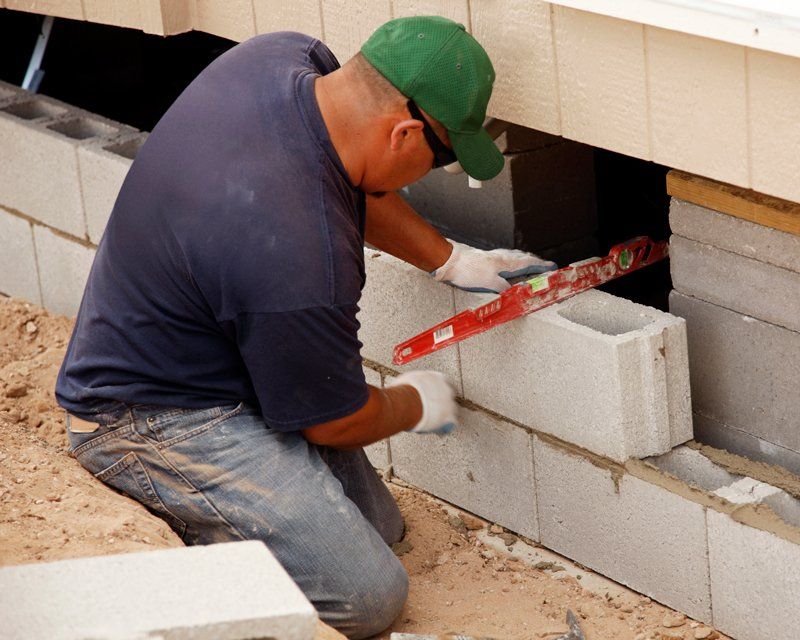
Roads & Pavements — Melbourne experiences significant subsidence beneath roads and paved areas, particularly in regions with reactive clay soils or ageing drainage systems. We stabilise the ground beneath affected pavements and restore structural integrity by addressing the root cause of the movement, not just repairing the surface damage.
Retaining Walls — Leaning, cracking, or moving retaining walls present serious structural and safety risks. We identify the underlying cause of the movement and implement underpinning or ground stabilisation solutions to restore stability and prevent further deterioration.
Bridges & Elevated Structures — Foundation movement beneath bridge abutments, piers, and elevated structures can compromise safety and performance. We provide specialised underpinning and structural repair services delivered with the engineering precision and compliance required for critical infrastructure assets.
Drainage & Stormwater Infrastructure — Failing drainage and stormwater systems are a major contributor to ground instability. Escaping water can saturate surrounding soils, create voids, and undermine foundations. We work alongside civil and drainage contractors to stabilise affected ground and support broader infrastructure repair programs.
Pipelines & Utilities — Ground movement around pipelines and utility services can threaten both infrastructure and surrounding structures. We carry out precision underpinning and stabilisation works designed to restore ground stability while protecting existing services from damage.
Embankments & Slopes — Instability within embankments and slopes can affect roads, rail corridors, drainage systems, and nearby structures. Our stabilisation solutions are designed to control movement, reduce erosion risks, and protect critical infrastructure assets from further damage.
Step 1 — Site Evaluation and Investigation
A comprehensive assessment is carried out on the affected infrastructure asset and the surrounding ground conditions before any works commence. Where required, we arrange geotechnical investigations and soil testing to gain a detailed understanding of the subsurface conditions and identify the causes of movement or instability.
Step 2 — Engineering Design
All infrastructure underpinning solutions are developed in collaboration with qualified structural and geotechnical engineers. This ensures the repair strategy is tailored to the specific asset, ground conditions, operational requirements, and applicable engineering standards.
Step 3 — Coordination with Stakeholders and Authorities
Infrastructure projects often involve multiple stakeholders, including asset owners, local councils, utility providers, traffic management authorities, and government agencies. We assist with stakeholder coordination, project communication, and the acquisition of any permits or approvals required before work begins.
Step 4 — Staged Project Delivery
Projects are carefully planned and delivered in stages to minimise disruption to services, traffic, and site operations. We manage access requirements, service protection measures, and ongoing stakeholder communication throughout every phase of the project.
Step 5 — Certification and Documentation
Upon completion, we provide comprehensive engineering certification and project documentation covering all works performed. This documentation supports compliance requirements and can be supplied to asset owners, insurers, regulatory authorities, and other relevant stakeholders.
Where suitable, traditional pier underpinning provides a highly effective method of stabilising civil and infrastructure foundations. Reinforced concrete piers are installed alongside or beneath existing foundations to increase load-bearing capacity and improve long-term structural stability.
Screw piles offer an efficient alternative to conventional underpinning, requiring less excavation and causing minimal disruption during installation. They are particularly well suited to infrastructure sites with restricted access, variable soil conditions, or operational constraints where traditional methods may not be practical.
For projects requiring deep foundation support, bored piers provide exceptional load-bearing capacity and stability. They are commonly used beneath bridges, elevated structures, retaining walls, and other infrastructure assets where significant structural loads must be transferred to competent ground.
Micropiles are ideal for infrastructure projects with limited access, existing underground services, or site restrictions that prevent the use of conventional piling equipment. Their compact installation footprint makes them a preferred solution for many complex urban and infrastructure applications throughout Melbourne.
Where instability is caused primarily by poor soil conditions rather than foundation failure, ground stabilisation techniques can be used to strengthen and improve the existing ground. These methods help reduce future settlement, control movement, and restore the stability of the soil supporting surrounding structures and infrastructure.