
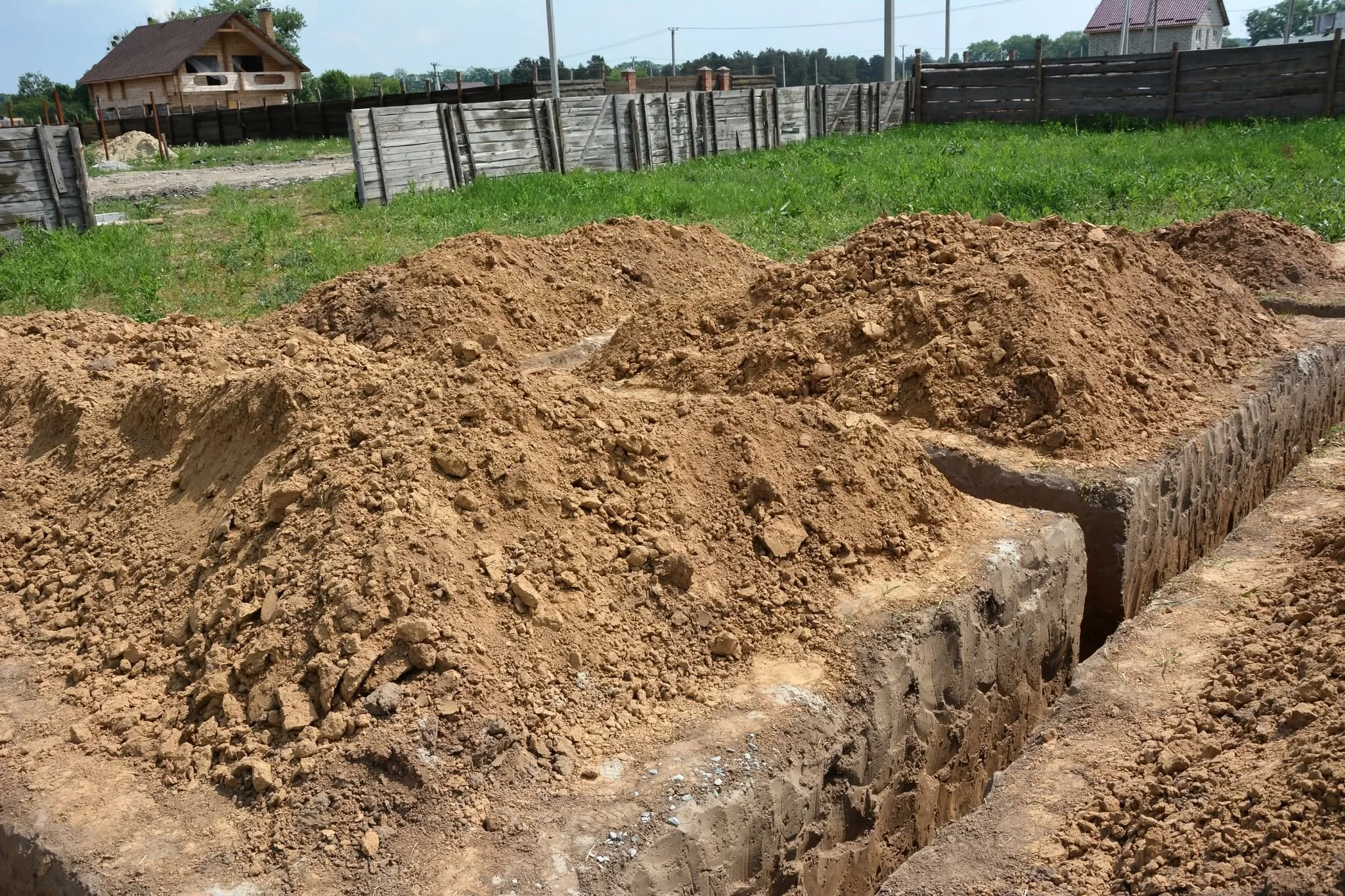
Reactive clay — the defining ground condition in Cardinia – Officer and the surrounding Cardinia Shire sit on moderately to highly reactive clay soil. Unlike the sandy soils of Melbourne’s south-east or the transitional ground further into the city, this is clay that moves meaningfully with seasonal moisture change — swelling in wet conditions and shrinking through dry summers. The drought-flood cycles Melbourne has experienced over recent decades are particularly hard on reactive clay foundations, and Officer’s housing has been built right through that period. A home that was fine through a wet year can show significant cracking after a sustained dry stretch, and vice versa.
Waffle slab construction — designed for reactive clay, but maintenance-dependent – Virtually all of Officer’s new estate housing was built on waffle pod slab construction — the standard approach for reactive clay sites. When designed correctly and built to specification, a waffle slab performs well on reactive clay. But its performance depends heavily on what happens after construction: drainage maintained properly, garden beds not overwatered against the slab edge, gutters kept clear, and trees planted at appropriate distances. When those maintenance conditions aren’t met, moisture gets under the slab unevenly, and the cracking that results looks alarming because it is, if left unaddressed.
Engineered fill and variable ground conditions – Large-scale residential estate development involves significant earthworks, including cut and fill to level sites, bulk imported fill to raise low-lying areas, and compacted subgrade prepared for slab construction. When fill is placed and compacted correctly, it performs as designed. When it isn’t, or when fill settles over time in ways the geotechnical report didn’t fully anticipate, the slab sitting on top moves unevenly. Officer has enough of this variable fill history across its various estates that site-specific assessment matters — you can’t assume the ground conditions on your block are the same as your neighbour’s, even in the same estate.
New homes within statutory warranty — a different process – Many Officer homes showing foundation cracking or movement are still within their 10-year statutory builder warranty period under the Domestic Building Contracts Act. If that applies to your property, the repair process is different from simply engaging a contractor. There are rights and obligations around getting the builder to rectify defects before the warranty expires, and documenting the problem properly is important to protecting those rights. We can provide independent foundation assessments that clearly document what’s happening and what’s causing it, giving you the evidence base you need whether you’re pursuing a warranty claim or deciding to proceed directly with repair.
Drainage infrastructure still bedding in – Officer’s estates are relatively new, and the surrounding stormwater and drainage infrastructure is still being built out in some areas. Drainage that isn’t fully connected or performing as designed can concentrate water in unexpected ways around established homes, contributing to the uneven moisture conditions that drive reactive clay movement. It’s something we factor into how we assess Officer properties.
Underpinning – For Officer homes where slab or footing settlement requires structural remediation.
Screw Piling – Where load transfer below the reactive clay layer is required, screw piling is frequently our preferred method.
Independent Foundation Assessment – Clear, documented assessment of what’s happening and why, including for homes within the builder warranty period where independent evidence is needed.
Pre-Purchase Foundation Assessment – For buyers of Officer properties, including identifying whether existing cracking is within normal movement tolerances or indicates a genuine structural problem.
Crack Assessment & Repair – Determining whether cracking is cosmetic or structural, and repairing once the underlying cause is addressed.
Drainage-Connected Foundation Repair – Where slab movement is linked to drainage or moisture management failures, we address both together.